











Feeling out of sync with your sleep can impact everything from your mood to your productivity. A disrupted sleep schedule throws off your body's natural rhythm, leading to inconsistent sleep habits and leaving you tired during the day and wide awake at night.
The good news is that you can guide your internal clock back to a healthy pattern. This guide provides evidence-based strategies to help you reset your sleep schedule and achieve more restful sleep.
Understanding Sleep: What Is Your Body Clock (Circadian Rhythm)?
Ever wonder why you feel alert during the day and sleepy at night? That’s your Circadian Rhythm (CR) at work. Think of it as a 24-hour internal body clock, primarily regulated by light exposure and darkness, that governs your body's sleep-wake cycle.
This master clock dictates not just when you sleep, but the sleep quality, cycling through distinct stages like Non-Rapid Eye Movement (NREM) and Rapid Eye Movement (REM).
Keeping this circadian rhythm stable is crucial for your mood, cognitive function, and metabolic health. Sleep medicine specialists emphasize that understanding this internal clock is foundational to improving rest.
Learning how to reset your sleep schedule is about aligning your daily habits with this powerful, natural rhythm to achieve healthy sleep. Your body responds to two key environmental signals that help regulate your circadian rhythm through melatonin, the sleep hormone:
| Enviromental Cue | Signal to your Brain |
| Daylight (Bright Light) | Inhibits melatonin production |
| Darkness | Stimulates melatonin production |
|
Key Insight: Your body clock is a powerful, natural circadian rhythm. The goal isn't to fight against it, but to follow consistent sleep patterns that align your daily sleep routine with its light signals for light and darkness. |
Why Sleep Schedules Get Off Track
Life’s demands often pull our internal clocks out of sync, leading to poor sleep. This disruption isn't just an inconvenience; studies have even found an association between "springing forward" to daylight saving time and various health risks.
Recognizing these disruptors is the first step toward correcting your sleep schedule and avoiding chronic sleep deprivation.
-
Irregular Bedtimes: Staying up late for streaming, pulling an all-nighter for a deadline, or working double shifts due to shift work or rotating shift work confuses your body’s sleep signals and disrupts your sleep routine.
-
Travel and Jet Lag: Crossing three or more time zones can throw your body's circadian rhythm into disarray, affecting your sleep habits for days.
-
Evening Blue-Light Exposure: Light from cell phones, tablets, and TVs tricks your brain into thinking it's still daytime. Limiting evening screen time is a key aspect of good sleep hygiene.
-
Stimulants and Substances: Late-day caffeine intake, alcohol before bed, or heavy meals can delay or fragment your nighttime sleep.
-
Underlying Factors: Chronic stress, pain, or sleep disorders like Obstructive Sleep Apnea (OSA) can severely disrupt sleep patterns. Consulting a sleep medicine professional can help identify and address these issues.
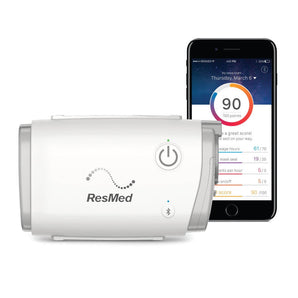
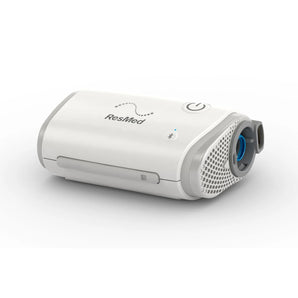
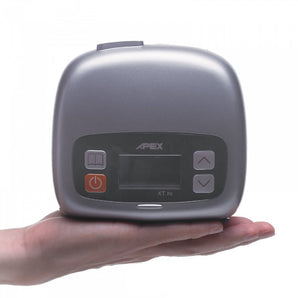
For those using Continuous Positive Airway Pressure (CPAP) therapy, fluctuating schedules can also make it harder to maintain consistent sleep habits and effective treatment.
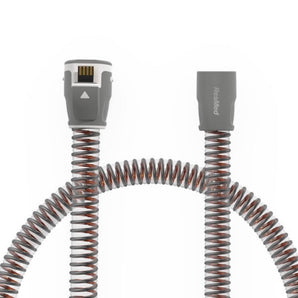
Using comfortable and reliable ResMed CPAP supplies can help improve adherence and therapy outcomes for better sleep.
10 Evidence-Based Ways to Reset Your Sleep Schedule
Resetting your body clock doesn’t happen overnight. Building a regular sleep schedule requires making small, incremental changes of 15–30 minutes per day and sticking with them consistently for restorative sleep.
1 - Create a Sleep-Friendly Environment for Restful Sleep
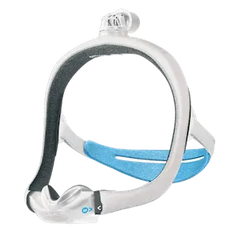
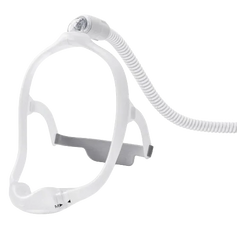
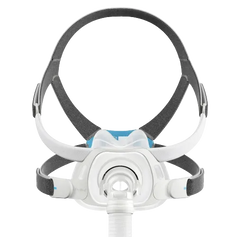
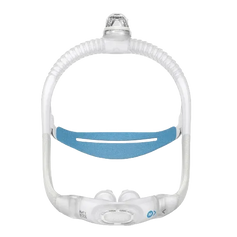
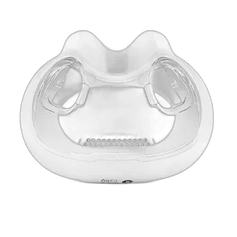
Your bedroom should be a sanctuary for restful sleep. Keep it cool, dark, and quiet, and consider tools like blackout curtains or a white-noise machine. For CPAP users, a comfortable CPAP mask like the AirFit F30 can minimize disruptions and improve sleep quality.
| ResMed | AirFit F30 Full Face CPAP Mask | Philips | ComfortGel Blue Nasal CPAP Mask | Philips | Wisp Nasal CPAP Mask |
 |
 |
|
|
|
|
| Check Product | Check Product | Check Product |

2 - Embrace Morning Bright Light Exposure & Light Therapy
Get direct natural sunlight soon after waking, ideally before 10 a.m. This powerful light cue helps anchor your circadian rhythm and promotes earlier, more consolidated sleep.
On cloudy days or during winter, a light therapy box can be an effective substitute to signal "wake-up" time to your brain, a key part of resetting your sleep schedule.
3 - Limit or Time Naps to Avoid Sleep Debt
A short power nap can be restorative, but timing is everything. Keep naps under 30 minutes and ensure they end before 3 p.m. to protect your sleep routine.
Napping too late or for too long can reduce your sleep drive and sleep debt, making it harder to fall asleep at your desired bedtime.
4 - Power Down Screens & Blue Light at Night
Shut down all devices one to two hours before bed to improve nighttime sleep. If you must use them, activate your device's "night mode" or consider wearing blue-light-blocking amber lenses in the evening. Reducing screen time is essential for a healthy sleep schedule.
5 - Move Bedtime & Wake Times Gradually
Avoid drastic changes to your sleep routine. Shift your bedtime and wake-up time by just 15 to 30 minutes each day until you reach your target new schedule.
For jet lag, a good rule of thumb is to allow about one day of adjustment for each time zone crossed to fix your sleep schedule.
6 - Exercise at the Right Time for Better Sleep
Regular physical activity boosts sleep quality. Aim for moderate exercise in the morning or afternoon to build healthy sleep pressure.
Avoid vigorous, high-intensity workouts within two hours of bedtime, as they can be overly stimulating and disrupt your sleep schedule.
7 - Avoid Caffeine & Moderate Alcohol Late in the Day
Caffeine has a long half-life and can cause poor sleep. Have your last cup about 12 hours before your intended bedtime. While alcohol may make you feel drowsy initially, it disrupts sleep architecture later in the night.
Stop drinking at least 3-4 hours before bed to maintain a consistent sleep pattern.
8 - Establish a Relaxing Bedtime Routine
Create a 30-minute pre-sleep ritual to signal to your internal body clock that it's time to unwind. This could include gentle stretching, meditation, or other relaxation techniques.
Reading a physical book, taking a warm bath, or listening to soothing music under dim light can also ease you into a state of rest as part of a relaxing bedtime habit.
9 - Consider Melatonin to Adjust Your Sleep Cycle
Melatonin is the hormone that regulates your sleep cycle. A low dose taken 1-2 hours before your desired bedtime can help shift your circadian rhythm.
However, always consult a clinician or a sleep specialist before starting any supplement to ensure it's right for your sleep schedule.
10 - Maintain a Consistent Wake-Up Time
Sleeping in on weekends creates "social jet lag," making Monday mornings difficult. In fact, each hour of social jet lag is associated with an 11-percent increase in the likelihood of heart disease.
Try to stick to a fixed wake-up time every day to keep your internal clock stable and maintain a consistent sleep schedule.
|
Pro Tip: Consistency is the most critical element for your sleep routine. Sticking to a consistent wake-up time every day, even on weekends, is the fastest way to anchor your new sleep schedule. |
How Long Does It Take to Reset a Sleep Schedule?
Patience is key. For most healthy adults who remain consistent with new habits and their new schedule, significant improvements can be felt within one to three weeks.
If you're recovering from jet lag, a common estimate is allowing one full day of adjustment for every hour of time difference to fix your sleep schedule.
To track your progress and identify your sleep routine, consider keeping a simple sleep log in a notebook or using a sleep-tracking app. This will help you see what’s working as you learn how to reset your sleep schedule effectively and achieve high-quality sleep.
|
Key Insight: Resetting your sleep schedule is a gradual process, not an overnight fix. Focus on small, consistent daily adjustments to your sleep routine over one to three weeks for lasting results. |
When to Seek Professional Help for Sleep Disorders
While these sleep hygiene strategies are effective for many, persistent poor sleep may signal underlying sleep disorders that require medical attention. Sleep affects your overall well-being, so you should consult a sleep specialist if you experience any of the following symptoms:
-
Chronic insomnia or difficulty staying asleep, which impacts your sleep schedule.
-
Excessive daytime sleepiness that interferes with daily life; overly sleepy employees are 70% more likely to be involved in workplace accidents due to sleep deprivation.
-
Loud, consistent snoring or reports of choking or gasping during sleep are potential signs of OSA, a serious sleep disorder.
-
Ongoing challenges with CPAP adherence due to mask leaks, pressure discomfort, or sleep schedule inconsistency.
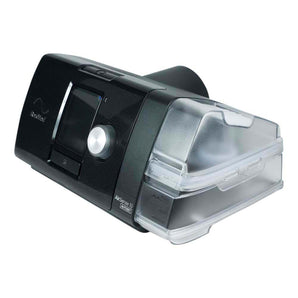
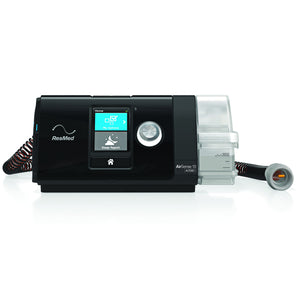
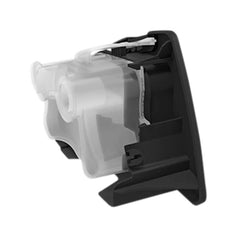
A sleep specialist can help diagnose the root cause of your sleep disorder, which may involve a sleep study or other evaluations. They can recommend the right equipment, such as an advanced machine like the AirSense 11, or help you find a comfortable AirTouch N20.
You might also consider a CPAP rental to try different options.
|
Warning/Important: Persistent issues like chronic insomnia or gasping during sleep can signal a serious underlying condition. Do not ignore these symptoms of poor sleep; consult a healthcare professional for a proper diagnosis. |
Tips to Maintain Your New, Healthy Sleep Schedule
Reclaiming your sleep schedule is an investment in your physical and mental health. By understanding your sleep pattern and your circadian rhythm and implementing a consistent sleep routine, you can achieve more restful nights and energized days.
Here are a few tips to stay on track with your regular sleep schedule:
-
Be Patient and Consistent: Remember that progress takes time. Try to sleep earlier by going to bed early each night. Stick to your new wake times and bedtimes as closely as possible, even on weekends, to reinforce your body's internal clock and maintain a consistent sleep schedule.
-
Prepare for Setbacks: Life happens. A late night, travel, or an unavoidable all-nighter can throw your sleep schedule off course, but don't get discouraged. Simply return to your established sleep routine the very next day to get back on track quickly.
-
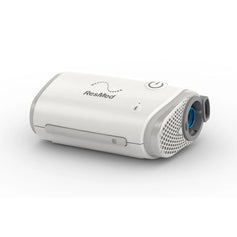
Leverage the Right Tools: Use tools that support your healthy sleep goals. A comfortable pillow, blackout curtains, or even a compact travel CPAP for trips can make a significant difference in maintaining your sleep schedule.
Contact us if you have questions about optimizing your sleep routine or finding the right sleep solutions. We’re here to help you breathe, sleep, and live better.