







When it comes to Continuous Positive Airway Pressure (CPAP) therapy, the idea that one mask fits all is a persistent myth. A successful sleep therapy experience is achieved almost entirely by achieving a perfect mask fit.
A poor-fit mask can undermine your health goals, and the mask type significantly influences adherence to CPAP therapy, making the right CPAP mask crucial.
With insights from our Registered Respiratory Therapists (RRTs), we're here to tackle the biggest misconceptions about effective CPAP therapy head-on. Consider this your handbook for overcoming common fitting challenges, including issues related to hair.
Different therapy approaches may require specific equipment, from Nasal CPAP masks to full face CPAP masks for obstructive sleep apnea. Let's debunk the most common myths standing between you and a great night's sleep.
Why Proper CPAP Mask Fit Matters
The stakes for getting the right CPAP mask fitting are incredibly high. Mask leaks are a leading cause of patients abandoning their therapy altogether.
An improper seal allows prescribed air pressure to escape before it can keep your airway open.
A PubMed study on CPAP mask leakage found that selecting the optimal mask from multiple sizes and brands minimizes leakage at 0.11 ± 0.9 L/sec. In contrast, using a single-brand mask or a standard mask approximately doubled or tripled the leak rate, respectively.
This can lead to a cascade of negative consequences that prevent you from getting the restorative sleep you need. Many users struggle needlessly with CPAP mask leaks because they believe common myths that keep them from finding the right solution.
|
Key Insight: CPAP Mask leaks are not just annoying; they are one of the primary reasons patients abandon therapy, making a proper fit essential. |
How to Find a CPAP Face Mask for Your Face Shape
Your unique facial geometry and specific face shape play a crucial role in finding the proper CPAP mask, but common assumptions about different face shapes can lead you down the wrong path.
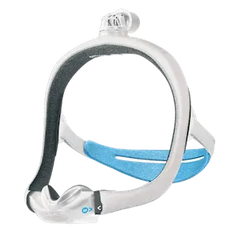
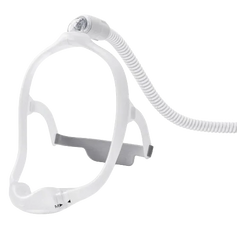
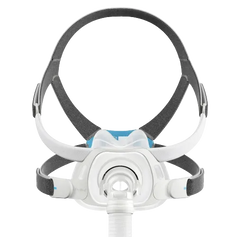
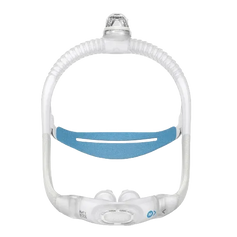
| Philips Wisp Nasal CPAP Mask | Philips ComfortGel Blue Nasal CPAP Mask | ResMed AirFit P10 Nasal Pillow CPAP Mask |
 |
 |
 |
|
|
|
| Check Product | Check Product | Check Product |
A study by the National Library of Medicine in comparing CPAP masks during initial titration for Obstructive Sleep Apnea shows that nasal masks were used in 82.3% of cases. However, these nasal masks may not be ideal for everyone.
Factors like a narrow chin or angular jaw often require different solutions, such as a full-face or memory-foam mask.
Focus on cushion technology and adjustability rather than being limited by outdated assumptions about your face shape.
3 Tips for CPAP Use with Facial Hair
One of the biggest anxieties for men using CPAP masks is how having a beard or other facial hair will impact their seal. Contrary to popular belief, you don't necessarily have to choose between your beard and effective therapy.
For many men, the thought of shaving is a significant barrier, but it's often unnecessary. Facial hair and incorrectly sized masks can increase the risk of air leaks.
However, choosing the right mask size and maintaining proper grooming habits can create a strong, reliable seal for a comfortable night's sleep. If you're experiencing issues, a sleep specialist can help you find the perfect solution.
Let's debunk some common misconceptions about CPAP therapy and facial hair:
| Myth | Reality |
| You must be clean-shaven for CPAP. | Mask type and liners are more important than shaving. |
| Leaks are unavoidable with a beard. | Proper grooming and the right mask can create a strong seal. |
|
Only full-face masks work with a beard. |
Nasal pillow masks and specialized full-face masks work well with a beard; not all full-face masks work universally. |
To improve your seal, consider using CPAP mask liners, which create a soft barrier between your skin and the cushion. Keeping your facial hair well-groomed and trimmed, especially around the neck area, can also make a significant difference.
Using the wrong size mask can contribute to airway collapse, so our 30-day mask guarantee helps eliminate the stress of finding the right fit, allowing you to trial a style without financial risk.
|
Pro Tip: For many bearded users, the ideal solution is a nasal pillow mask. It bypasses the beard area entirely, creating a secure seal without requiring shaving. |
How Hair and Headgear Affect Your Seal
The myth that thick hair or ponytails will always dislodge headgear is a thing of the past. Modern headgear designs are more accommodating than ever, with features that cater to a variety of hairstyles and hair types.
Today's headgear often includes magnetic clips and top-of-head tubing connections that keep straps and hoses out of your way. Here are three quick tips for a secure fit:
-
Position the lower headgear straps underneath your ponytail or bun, not over it, to anchor the mask securely.
-
Choose a mask with low-profile back straps that sit at the nape of the neck if you have voluminous hair.
-
Add soft strap wraps for extra comfort and to prevent your hair from getting tangled or pulled.
If your current headgear is worn out or ill-suited for your hair, explore our wide selection of CPAP mask headgears and other comfort accessories.
|
Pro Tip: If you are still afraid mask headgears might damage your hair, we recommend using a silk cap prior to putting your mask every night to help with hair loss due to friction. |
3 Ways to Comfortably Wear Glasses with CPAP Face Masks
Many new users believe the myth that glasses must come off the moment therapy begins, sacrificing their wind-down routine of reading or watching TV. The reality is that your CPAP therapy shouldn't disrupt your established bedtime habits.
The right CPAP mask design allows you to comfortably wear glasses as your machine ramps up to pressure. Solutions for glasses-wearers include:
-
Masks with top-of-the-head tube connections, like the Dreamwear full face mask, eliminate bulky frames in your line of sight.
-
Nasal or nasal pillow masks, such as the Wisp CPAP mask with minimal contact on the nasal bridge.
-
Invest in a pair of flexible, lightweight eyeglass frames for bedtime use.
|
Key Insight: Don't sacrifice your bedtime routine. Modern masks with top-of-head tubes and minimal frames are specifically designed to be worn comfortably with glasses while you read. |
Pediatric CPAP Face Mask Myths & Partner Considerations
A critical and often misunderstood area is pediatric CPAP mask fitting for kids. The myth that an adult "small" mask will work for a child is dangerously incorrect.
A child's facial anatomy is not just a smaller version of an adult's. The bone structure, skin sensitivity, and breathing patterns are fundamentally different. Achieving a proper mask fit is crucial for effective therapy.
Using an improperly fitted mask or other adult product can lead to significant leaks, a spike in the Apnea-Hypopnea Index (AHI), and potential health issues. For parents or partners who share a bed with the young user during therapy, monitoring for these leaks is especially important.
A proper seal is also considered to sleeping partners, as it minimizes noise and promotes better sleep for everyone. Here is what to do next:
-
Carefully measure the young patient’s facial width and length using a manufacturer’s fitting guide.
-
Consult with a CPAP expert like RespShop, discuss options, and get professional guidance.
-
Explore purpose-built pediatric solutions for a safe and effective fit.
|
Warning/Important: Never use a small adult mask on a pediatric user. A child's facial anatomy is fundamentally different, and an improper fit can lead to therapy failure and health risks. |
Find the Right CPAP Face Mask Today
We've debunked the myths around face shapes, facial hair, different hair styles, glasses, and pediatric needs. Finding the right CPAP mask fit is the most important step in ensuring your therapy is effective.
Just like finding the right CPAP machine, when selecting a comfortable CPAP mask, every component matters for your long-term success. Whether you are just starting your journey or looking to improve your current face mask, we are here to help.
To find the right CPAP mask, explore our full range of sleep solutions. If you need personal guidance, contact RespShop to learn more.