








You wake up at 3:00 AM, and your tongue is stuck to the roof of your mouth like sandpaper. Reaching blindly for a glass of water, you might wonder if your obstructive sleep apnea treatment is doing more harm than good.
In fact, side effects of Continuous Positive Airway Pressure (CPAP) treatment may include congestion, a runny nose, dry mouth, or nosebleeds. Continuous positive airway pressure is designed to keep your airways perfectly open, but it should never leave you feeling parched.
Treating sleep apnea effectively requires a consistent flow of air, which should help you wake up refreshed. Proper non-invasive ventilation is crucial for those dealing with severe snoring and daytime sleepiness.
With the right adjustments to your positive airway pressure therapy, oral dryness is an entirely preventable issue. In this guide, we unpack the biggest culprits behind this midnight desert and share proven solutions.
Why Does CPAP Cause Dry Mouth?
Saliva serves as your mouth's natural defense system every single day. It balances oral pH and protects your sensitive teeth from decay.
When a constant flow of air rushes past your palate, it accelerates moisture evaporation rapidly. This CPAP airflow compromises your sleep apnea management and leaves your mouth severely dehydrated.
Certain medications and health conditions can drastically reduce saliva production. Common culprits include daily antihistamines, antidepressants, and beta-blockers for blood pressure management.
Certain health conditions naturally inhibit saliva flow, compounding the drying effect of your positive airway pressure treatment. Keep an updated medication list handy for your sleep specialists to review.
When pressurized air moves through your CPAP machine, the relative humidity inside the circuit drops significantly. If you aren't using heated humidifiers, you are breathing in bone-dry air all night.
A CPAP mask leak is another primary suspect when moisture escapes your CPAP therapy system entirely. Types of CPAP machines vary, but all deliver precise air pressure to keep your airway open. When settings are particularly high, the sheer force of the air can inadvertently push your jaw open.
This leads to severe mouth breathing that bypasses natural nasal breathing filtration. Whether from seasonal allergies or a common cold, a stuffy nose or congestion forces you to breathe through both the nose and mouth. This disrupts the benefits of nasal breathing.
|
Key Insight: The root cause of CPAP dry mouth almost always boils down to a compromised seal or lack of moisture. Identifying your specific leak point is the first step to restoring comfortable, hydrating CPAP therapy. |
5 Ways to Prevent CPAP-Related Dry Mouth
Here are 5 simple and effective solutions that can help restore comfort and improve your sleep quality:
1. Add a Heated Humidifier and Tubing
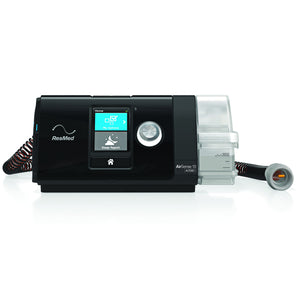
Adding moisture back into your CPAP therapy air is the most effective defense against dryness. You can easily choose between an integrated CPAP humidifier or a powerful standalone unit.
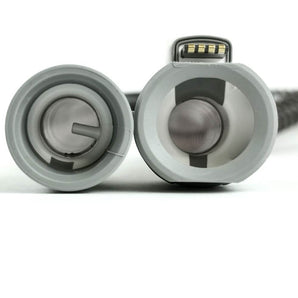
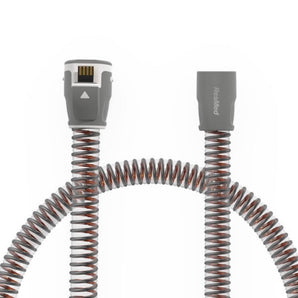
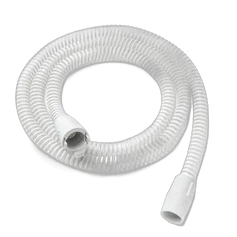
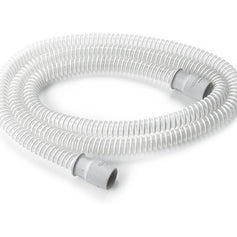
Upgrading to heated tubing provides excellent condensation control and delivers consistent warmth directly to your CPAP masks. Many users highly recommend the CPAP machine with built-in climate control and CPAP humidifier features.
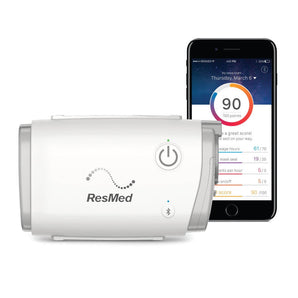
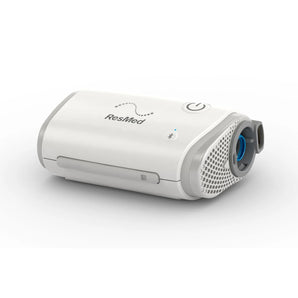
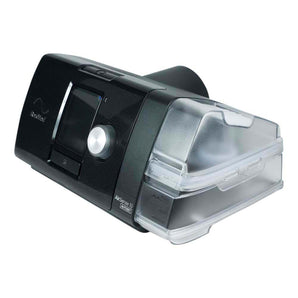
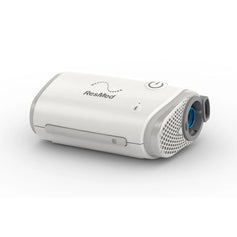
| ResPlus | Auto CPAP Machine with Heated Humidifier | ResMed | AirSense 10 AutoSet CPAP with HumidAir |
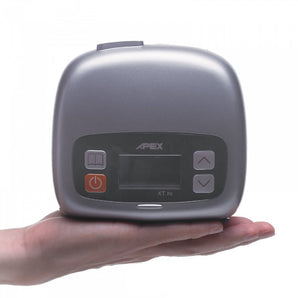
Apex Medical | XT Auto CPAP Machine |
 |
 |
 |
|
|
|
| Check Product | Check Product |
2. Pick the Right Mask Fit
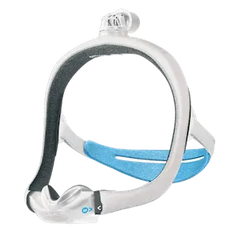
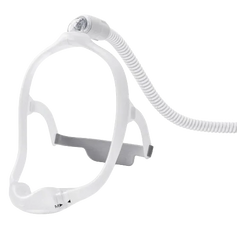
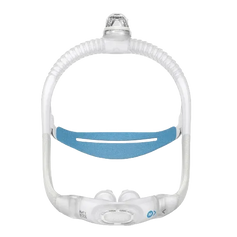
Choosing the right CPAP mask is a critical decision for your ongoing comfort during CPAP treatment. If you naturally breathe through your nose, a nasal mask or nasal pillow mask works best, providing comfortable exhalation.
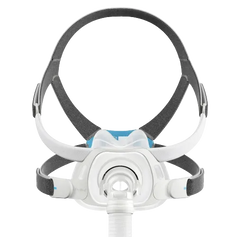
Consider trying the Wisp CPAP mask for a very minimal facial footprint. If you experience mouth breathing, a full face mask keeps the positive airway pressure contained across your nose and mouth.
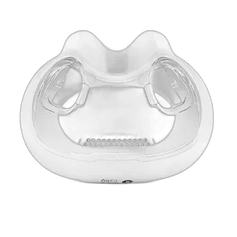
Remember that tighter is not always better when fitting headgear before bed. Over-tightening straps causes frustrating air leaks by creating creases in the soft silicone cushion.
You might also prefer soft cushions for sensitive facial skin to avoid dry nose irritation. Additionally, chin straps can help keep your mouth closed during sleep, preventing mouth breathing and the resulting dryness.
3. Treat Nasal Congestion Before Bed
Maintaining clear nasal passages is essential for successful pap every night. Implement a simple nightly routine using a sterile saline spray to flush out irritants.
This works in perfect synergy with a heated humidifier to keep nasal tissues plump and moist, which helps prevent dry mouth during CPAP therapy. If your mouth still falls open at night, a supportive chin strap can help tremendously.
4. Optimize Machine Pressure Settings
If high pressure is forcing your mouth open, utilize your CPAP machine's ramp feature. This gradually increases the pressure from a lower, more comfortable starting point as you fall asleep.
Never adjust your prescribed peak CPAP machine settings without consulting your sleep specialist first. Advanced CPAP users managing obstructive sleep apnea might benefit from Variable Positive Airway Pressure (VPAP) machines or bilevel positive airway pressure systems.
For those requiring dual pressure settings, modern auto-adjusting features offer excellent relief. Some patients may also look into affordable rental options before committing to a full purchase.
Always monitor your morning leak data to ensure your pressurized air adjustments are effective and minimize air leaks.
5. Schedule Routine Equipment Checkups
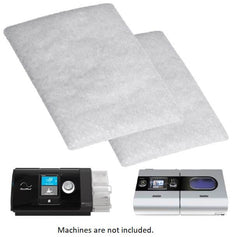
Worn-out gear is a leading cause of air leaks and subsequent CPAP-related dry mouth. To maintain an airtight face mask seal, replace your CPAP machine filters regularly and inspect your mask cushion.
The AirFit F30 system and compact nasal pillow designs both require fresh cushions to work optimally. We happily offer free gear reviews to ensure your setup is performing perfectly.
|
Warning/Important: Never use mouth tape if you suffer from chronic nasal congestion, have severe sleep apnea without using your CPAP, or struggle to breathe comfortably through your nose while awake. Safety must always come first. |
When to Contact a Sleep Apnea Therapist
While occasional dryness is common, certain red flags indicate it is time to seek professional guidance from a sleep medicine expert. You should reach out if you experience chronic cavities, new dental issues, or painful mouth ulcers.
These are all signs that CPAP dry mouth and reduced saliva production may be affecting your oral health.
Persistent daytime fatigue despite CPAP therapy is another strong indicator that something is wrong. You can always consult experts to find a ResMed CPAP mask that completely stops the leaks.
RespShop’s team of registered respiratory therapists and certified polysomnographic technologists is here to help. Whether you prefer a phone call, email, or live chat consultation, we offer expert global support.
Other Unusual CPAP Side Effects
Dry mouth isn't the only hurdle CPAP users face during their initial treatment journey. In a clinical study, Side effects (SE) reports showed that out of 4 CPAP users, 36% had dry mouth, 27% nasal congestion, 11% sleep disruption, and 7% had skin irritation.
Recognizing these dry mouth symptoms early allows you to correct them quickly. Here is a quick reference guide for other common issues.
| Side Effect | Why it happens | Quick Remedy |
| Nasal Dryness | Inadequate humidity or cold bedroom air | Turn up humidifier and use a heated tubing |
| Skin Irritation | Oils breaking down the mask silicone | Wipe the mask daily with CPAP wipes |
| Swallowing Air | Pressure settings are too high | Turn on expiratory pressure relief |
| Mask Marks | Straps pulled far too tight | Loosen headgear or use soft strap covers |
|
Pro Tip: Recognizing unusual side effects early on allows you to adjust your equipment quickly, preventing minor annoyances from developing into major barriers to your nightly rest. |
Why Choose RespShop for CPAP Machines
We maintain strong partnerships with top brands, including ResMed, Philips Respironics, and Fisher & Paykel. You can always stock up on quality supplies or explore portable travel units.
Enjoy absolute peace of mind with our exclusive customer-first perks. We have a 30-day return policy on unopened and unused CPAP machines and free shipping for life after a $300 spend.
We also run a community-focused donation program for underprivileged patients worldwide. Our global reach guarantees fast domestic and international shipping for all your needs.
Take Control of Your CPAP Therapy
CPAP dry mouth doesn't have to be an unavoidable side effect of your CPAP therapy. Whether it's upgrading to a heated humidifier, finding the perfect mask fit, or optimizing your pressure settings, simple adjustments can transform your nightly experience.
Get in touch with us, and we will help you achieve comfortable, effective sleep apnea management. We offer a wide product portfolio, including CPAP machines, pediatric masks, oral appliances, and oxygen concentrators.
Your best night's sleep starts with the right support, and we're here to provide it every step of the way.