








Continuous Positive Airway Pressure (CPAP) therapy is a life-changing treatment for sleep apnea, a common and serious sleep disorder. While this essential treatment for sleep apnea is vital for health, the machine involved contributes to a growing environmental impact and carbon footprint.
This guide offers sustainable tips to help you make a difference in your sleep apnea treatment. By making conscious choices, you can significantly reduce your environmental impact through a greener CPAP machine, smarter cleaning practices, and responsible waste diversion for your sleep apnea treatment.
Why Prioritizing Sustainability in CPAP Therapy Matters
Small sustainable choices, like washing and reusing filters or replacing individual mask parts, can make your CPAP routine even more mindful.
Making adjustments such as turning off your CPAP machine when not in use, using only the water you need in your humidifier, or washing and reusing filters can make your sleep apnea routine more eco-friendly.
By adopting greener habits and following these sustainable tips, you can reduce waste, save energy, and promote a healthier planet without compromising your sleep apnea treatment.
Choosing Greener CPAP Machines
One of the most impactful choices for sleep apnea patients is opting for certified refurbished CPAP equipment or CPAP rentals. This prevents functional electronics from ending up as waste in landfills and reduces the demand for new manufacturing, lowering the overall carbon footprint of CPAP sleep therapy.
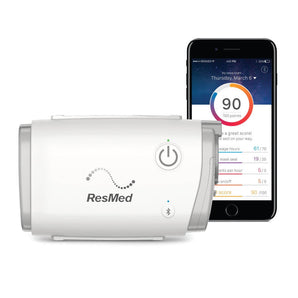
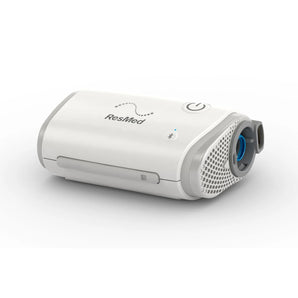
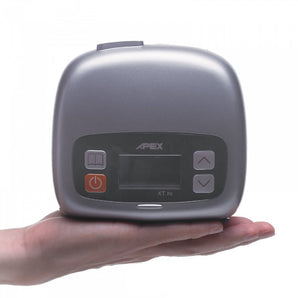
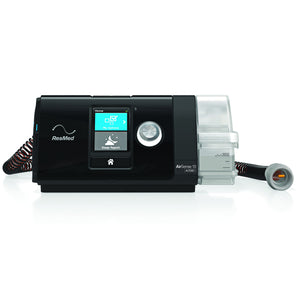
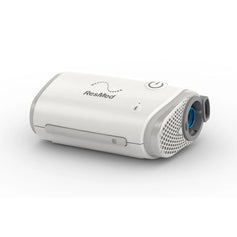
Many newer models of CPAP machines also include energy-saving features like smart humidification, making them key to sustainable treatment. For frequent flyers, a low-draw travel CPAP is one of the best CPAP machines as it uses significantly less electricity, reducing its environmental impact.
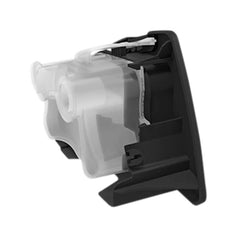
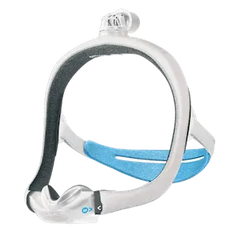
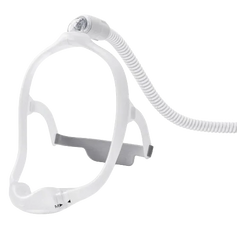
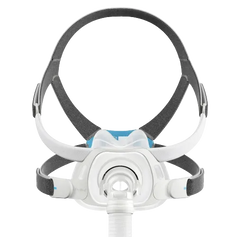
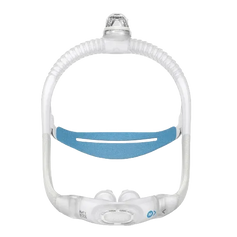
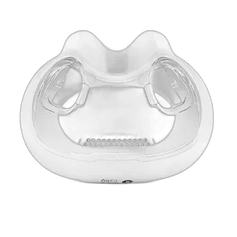
You can also reduce plastic waste by choosing a durable CPAP mask designed for longevity for your sleep apnea treatment. Many newer models allow you to replace individual components, such as the cushion or headgear, rather than the entire mask. This approach extends their useful life and is a great sustainable tip.
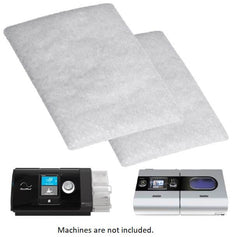
Finally, reusable filters can be washed and reused, drastically cutting down on waste compared to disposable options, and can make a big difference in improving CPAP therapy sustainability.
| Philips Reusable Pollen CPAP Filter | Philips Foam CPAP Filters |
 |
 |
|
|
| See Product | See Product |
|
Pro Tip:Reduce your therapy's environmental impact by investing in modern CPAP devices featuring energy-saving features such as standby modes and optimized airflow systems that slash electricity usage compared to older models. |
Low-Impact Cleaning & Maintenance for Your CPAP Equipment
Cleaning and replacing CPAP supplies is a non-negotiable part of managing sleep apnea treatment, but this cleaning method doesn't have to rely on harsh chemicals or wasteful methods.
For daily cleaning of your mask, tubing, and humidifier tub, a simple cleaning solution of warm water and mild, fragrance-free soap is highly effective for this part of your treatment.
For a deeper weekly cleaning of your machine's humidifier chamber, follow our experts recipe: 1 part white vinegar to 3 parts hot water. Soak for 15 minutes and rinse very well to remove any product excess. This cleaning method reduce environmental impact, is safer for your lungs when managing sleep apnea, and prevent CPAP equipment degradation and premature waste.
To conserve water, wash your supplies in a small basin instead of under a running tap. This simple change can make a big difference, saving gallons of water each week. For an easy and eco-friendly solution, use the CPAP Cleaning Starter Kit, which includes a basin, brushes, and a hose hanger. Using this kit makes cleaning more efficient while reducing water waste and extending the life of your CPAP supplies.
Get into the habit of inspecting your parts regularly for wear and tear, which helps you replace parts only when necessary, preventing unnecessary waste from your treatment.
Following a recommended replacement schedule keeps your CPAP device effective while preventing premature disposal and waste. Adhering to guidelines for cushions, tubing, and filters ensures you get the most out of your CPAP supplies while prioritizing sustainability.

|
Warning/Important: Avoid unapproved ozone or (ultraviolet) UV light devices for CPAP cleaning, as they pose serious health risks. Instead, stick to a simple soap and water or a vinegar solution for your cleaning routine to ensure safety and prevent damage to your CPAP equipment. |
Extending Product Life & Reducing Packaging Waste
When you upgrade your CPAP machine, don't let the old CPAP machine gather dust or end up as waste in a landfill. Donation programs for CPAP machines provide a meaningful alternative, giving gently used CPAP machines a new life with underserved patients needing sleep apnea treatment. We recommend calling a college that has nursing or respiratory to donate to.
This initiative not only reduces waste generated but also provides the gift of healthy sleep to someone in need of this treatment. This often applies to (Variable Positive Airway Pressure) VPAP machines and other CPAP equipment as well.
You can also reduce your carbon footprint by being strategic with your orders. Consolidate your supply needs, filters, cushions, and tubing into a single larger order rather than multiple small ones to minimize packaging waste and shipping emissions, a key part of eco-conscious practices.
|
Key Insight: Embrace a sustainable CPAP device lifecycle: Buy smart with refurbished gear, maintain mindfully with green cleaning, and ensure end-of-life responsibility by donating functional CPAP machines to recycling centers. |
Smart Energy Consumption for CPAP Devices Nightly & During Travel
Reducing your nightly energy usage is simple and is one of the best sustainable tips. In warmer months, lower the temperature settings on your heated humidifier and tubing, or turn them off completely if the ambient humidity is sufficient for your sleep apnea treatment.
Always enable your CPAP machine's auto-off feature to conserve power and use less energy. For camping or off-grid living, pairing your CPAP machine with a solar panel system provides a completely renewable power source for your CPAP device.
Understanding your device's energy usage can help you make smarter energy choices for your sleep apnea treatment at home and on the road. Not sure where to start? Our Respiratory Therapy Team can help you gather insights and tips.
|
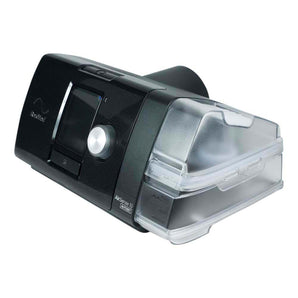
Pro Tip: CPAP machines use different power. For example, a full-size machine like the AirSense 11 will have different power needs than a smaller travel unit. Newer models are often designed to use less electricity. |
Your Path to Managing Sleep Apnea
Adopting greener habits and these sustainable tips doesn't mean compromising your CPAP sleep therapy. These small changes and eco-conscious practices help contribute to a healthier planet while you focus on achieving restorative rest with effective sleep solutions for your sleep apnea.
Have questions about eco-friendly therapy or need personalized guidelines from our registered respiratory therapists? Our team is here to help you find the perfect balance between effective treatment and environmental responsibility for all your CPAP machines. Please contact us to learn more about our CPAP devices.