









If the sound of a freight train in your bedroom has become your nightly soundtrack, you're far from alone. Snoring affects about 40% of adult men and 24% of adult women, making it an incredibly common issue.
While it's often joked about, that persistent rumble can be a major source of frustration for you and your partner. More importantly, it can indicate that your body is struggling to breathe properly during sleep and may signal serious health concerns like sleep apnea.
But there's good news. Understanding the root cause of your snoring is the first step toward reclaiming quiet nights.
This comprehensive guide will walk you through the science behind snoring, its common causes, serious health risks you shouldn't ignore, and the full spectrum of proven sleep solutions, from quick fixes you can try tonight to advanced medical treatments for lasting relief.
At RespShop, we're here to help you find the right path and are committed to helping you breathe better and sleep better.
What Is Snoring, Really?
At its core, snoring is the sound produced by vibrating tissues in your upper airway. When you sleep, the throat muscles in your soft palate, tongue, and throat relax.
If they relax too much, they can partially block your airway. As air forces its way through, it causes the tissues to vibrate and creates the snoring sound.
It's crucial to distinguish between occasional, light sleep disturbances with mild snoring and loud, habitual snoring that occurs most nights. While the former is usually harmless, the latter can be a sign of a more significant sleep disorder.
The biggest misconception is that snoring is always normal; while common, it is a clear signal of breathing obstruction during sleep that warrants a closer look.
|
Myth |
Fact |
Why It Matters |
|---|---|---|
|
"Snoring is just a harmless noise." |
Snoring is caused by a partially obstructed airway. |
A blocked airway reduces oxygen intake and disrupts sleep quality, even in mild cases. |
|
"Only overweight, older men snore loudly." |
People of all ages, genders, and body types can snore. |
Assuming you don't fit the stereotype can cause you to ignore important warning signs. |
|
"There's nothing you can do about it." |
Dozens of effective treatments exist, from simple lifestyle changes to medical devices. |
Ignoring snoring means missing the opportunity to improve your health, energy, and relationships. |
|
Key Insight: Snoring is more than a sound; it's the physical signal of a narrowed airway. This airway obstruction always impacts breathing efficiency and sleep quality, even in mild cases. |
Common Causes: From Sleep Position to Deviated Septum

Understanding the "why" behind your snoring is the first step toward finding the right solution. Several factors, both physical and lifestyle-related, can contribute to that nightly noise.
Anatomical & Physical Factors
- Airway Anatomy: Some people are simply built to snore. A person's unique mouth anatomy can narrow the airway, such as a long soft palate, a large uvula, large tonsils, or even nasal polyps. A deviated nasal septum can also restrict nasal airflow and force mouth breathing, a common cause of snoring.
- Excess Body Weight: Carrying extra weight, particularly around the neck, can pressure the airway. A neck circumference over 17 inches for men and 16 inches for women is a significant risk factor for obesity-related snoring, making individuals more likely to snore.
- Age & Gender: As we age, our throat muscles naturally lose some tone, increasing the chance of vibration. Men are more likely to snore than women, partly due to anatomical differences like narrower air passages.
Lifestyle Contributors
- Alcohol, Sedatives, and Smoking: Alcohol consumption and sedative medications can cause your throat muscles to relax more than usual, leading to airway collapse. Smoking irritates and inflames the tissues in your airway, which can also contribute to narrowing and various health problems.
- Nasal Congestion and Allergies: Anything that blocks your nasal passages, like chronic nasal congestion from allergies and other nasal problems, forces you to breathe through your mouth. This puts you at a higher risk for snoring as it increases the likelihood of tissue vibration.
- Sleep Position: Sleeping on your back is the worst for snorers. Gravity pulls your tongue and soft palate (particularly if you have a long soft palate) backward, narrowing the airway and making obstruction more likely.
- Sleep Deprivation: Sleep deprivation can lead to deeper sleep and even greater muscle relaxation in the throat, which can worsen snoring.
Risk Factors: Sleep Deprivation, Alcohol Consumption & More
Recognizing these risk factors can help you and your doctor pinpoint the cause of snoring and the most effective treatment plan.
- Body Mass Index (BMI): A higher BMI is among the strongest predictors of snoring and sleep apnea.
- Family History: A genetic predisposition for snoring or a family history of sleep apnea can run in families.
- Hormonal Changes: Hormonal shifts during pregnancy and menopause can affect muscle tone and tissue, sometimes leading to or worsening snoring.
- Comorbidities: Conditions like high blood pressure and type 2 diabetes are often linked with sleep-disordered breathing.
Symptoms You Shouldn’t Ignore
How do you know if your snoring is just an annoyance or a red flag for a bigger health problem? Pay attention to how you feel at night and during the day.
Specific sleep apnea symptoms suggest your snoring is more severe and could be linked to a condition like obstructive sleep apnea (OSA).
At night, watch for:
- Choking or gasping sounds
- Noticeable breathing pauses
- Restless sleep
During the day, note:
- Morning headaches or sore throat
- Excessive daytime sleepiness
- Brain fog or difficulty concentrating
- Irritability
- High blood pressure
The constant sleep disruption can also stress relationships significantly and affect various sleep stages, preventing you from achieving truly restorative rest. These symptoms can indicate serious underlying health problems that require medical attention.
Medical Disclaimer: This information is for educational purposes only and is not a substitute for professional medical advice, diagnosis, or treatment. Always seek the advice of your physician or other qualified health provider with any questions you may have regarding a medical condition.
When Snoring Signals a Bigger Problem: Obstructive Sleep Apnea (OSA)
While most snorers don't have Obstructive Sleep Apnea (OSA), nearly all people with obstructive sleep apnea snore loudly. Obstructive sleep apnea is a serious sleep disorder where breathing repeatedly stops and starts throughout the night. In obstructive sleep apnea, the airway doesn't just narrow; it collapses completely, blocking airflow for 10 seconds or longer.
A loud snort or gasp often follows these pauses as your brain briefly wakes you up to restart breathing. Research indicates that loud snoring is associated with a 67% greater odds of having a stroke and a 46% increased risk of stroke overall.
Red Flags That Require Medical Attention
- Loud, disruptive snoring occurs nightly
- Witnessed pauses in breathing (apneas), followed by gasping or choking
- Excessive daytime sleepiness, such as falling asleep at work or while driving
- Frequent morning headaches
- High blood pressure (hypertension)
- Difficulty concentrating or memory problems
If these symptoms sound familiar, consult a healthcare professional such as a sleep specialist or otolaryngology expert immediately. It's also important to note if your child snores frequently, as this can indicate adenoid or tonsil issues that require pediatric evaluation. You may also wake up with a sore throat due to mouth breathing during sleep.
|
Important: Untreated obstructive sleep apnea isn't just about poor sleep. It significantly increases your risk for heart attack, stroke, and diabetes by putting immense strain on your body every single night. |
Quick At-Home Fixes You Can Try Tonight
You don't need to wait weeks for relief. Looking for immediate results? These simple adjustments can make a noticeable difference in snoring intensity and help you and your bed partner get more restful sleep right away.
Fix #1: Sleep on Your Side
When you sleep on your back, gravity pulls your tongue and soft palate to the back of your throat, narrowing the airway. Side-sleeping keeps these tissues in a more neutral position and is one of the most effective ways to prevent snoring.
Try these methods:
- Tennis Ball Trick: Sew a tennis ball onto the back of a pajama shirt to make back-sleeping uncomfortable
- Body Pillow: Provides support and encourages side-sleeping
- Positional Therapy Belt: A Modern device that trains you to stay on your side
- Contour Pillow: Designed specifically for side sleepers

Fix #2: Elevate Your Head 4-6 Inches
Propping your head up helps prevent throat tissues from falling back and blocking your airway. Use extra pillows, a wedge pillow, or an adjustable bed base. Elevation uses gravity to your advantage, draining nasal passages and keeping the airway more open for quieter nights.
Fix #3: Clear a Stuffy Nose
Nasal congestion forces you to breathe through your mouth, which increases the likelihood of snoring. Try over-the-counter nasal strips or a saline rinse before bed to combat a stuffy nose or nasal problems like congestion.
Opening the nasal passages reduces airway resistance and helps improve airflow, making breathing easier and quieter.
Fix #4: Avoid Alcohol & Smoking 3-4 Hours Before Bed
Alcohol is a potent muscle relaxant that can cause your throat muscles to slacken more than usual and may also lead to excessive salivation, which can worsen snoring. Smoking irritates the tissues in your airways, causing inflammation and swelling that contribute to snoring. Both substances directly compromise the structure and function of your upper airway.
Fix #5: Stick to a Consistent Sleep Schedule
Regular sleep patterns prevent the extreme exhaustion that leads to over-relaxation of airway muscles. Aim for 7-9 hours per night. Poor sleep quality and sleep deprivation can worsen snoring and lead to difficulty concentrating during the day.
Track your progress: Use apps to record your snoring and identify which remedies are making the biggest difference.
Natural & Home Remedies for Consistent Relief
For sustainable, long-term improvement, integrating lifestyle changes and natural remedies can strengthen your airway and reduce inflammation. These methods require consistency but can yield powerful results over time to help you reduce snoring naturally.
Throat & Tongue Workouts
Known as myofunctional therapy, specific exercises can tone the muscles in your upper airway, making them less likely to collapse during sleep.
Try these daily workouts:
- The Tongue Slide: Place the tip of your tongue against the back of your top front teeth. Slide your tongue backward along the roof of your mouth. Repeat 20 times.
- The Roof Push: Push your entire tongue flat up against the roof of your mouth, applying gentle pressure. Hold for 10 seconds. Repeat 10 times.
- The "Ahh" Sound: Open your mouth wide and say "Ahh," focusing on lifting your uvula (the dangling tissue at the back of your throat). Do this for 20 seconds.
These exercises help move your tongue forward and strengthen the muscles that keep your airway open.
Anti-Inflammatory Diet & Weight Management
Excess weight, particularly around the neck, is a leading cause of snoring. The good news is that even modest weight loss can make a huge impact.
Focus on an anti-inflammatory diet rich in fruits, vegetables, and lean proteins while reducing processed foods and sugars to support your goals. Making an effort to lose weight and maintain a healthy weight is crucial for long-term snoring management and can dramatically help reduce snoring frequency and intensity.
Steam & Saline Ritual
A simple steam inhalation before bed can moisturize nasal passages and loosen mucus, promoting clearer breathing. Using a saline nasal spray or a neti pot can also help flush out allergens and mucus from your nose.
Follow these steps for a soothing routine:
- Carefully bring a pot of water to a boil, then pour it into a heat-safe bowl.
- Drape a towel over your head to create a tent over the bowl.
- Close your eyes and lean over the bowl at a safe distance, inhaling the steam through your nose for 5-10 minutes.
This practice can be especially beneficial for those with chronic nasal problems and can complement other treatment options, including oral appliances prescribed by your dentist or sleep specialist.
Advanced Medical Solutions & Devices

When lifestyle changes and home treatments aren't enough, it's time to explore clinically proven solutions. These advanced options are designed to physically keep your airway open and provide reliable relief, especially for those with moderate to severe snoring or diagnosed sleep apnea.
Positive Airway Pressure (PAP) Therapy
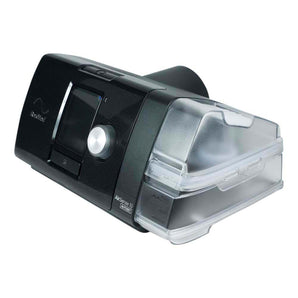
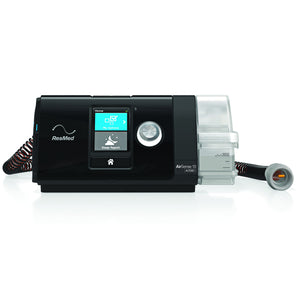
PAP therapy is the gold standard for treating Obstructive Sleep Apnea and is highly effective in treating snoring. A machine like the AirSense 11 delivers a steady stream of pressurized air through a mask. This acts as an "air splint" to keep your airway from collapsing and prevent you from having episodes where you stop breathing.
- CPAP & Auto-CPAP: Continuous Positive Airway Pressure (CPAP) provides one constant pressure setting. Auto-CPAP is more advanced, automatically adjusting the pressure based on your real-time breathing needs.
- BiPAP/VPAP: These machines, like other VPAP (Variable Positive Airway Pressure) machines, offer two distinct pressure levels. They use a higher pressure for inhalation and a lower one for exhalation, making breathing out easier.
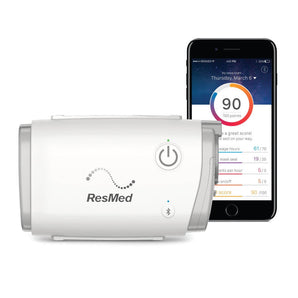
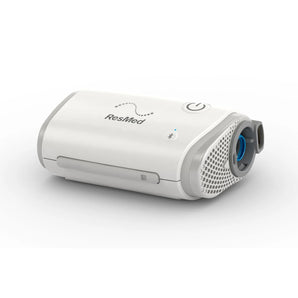
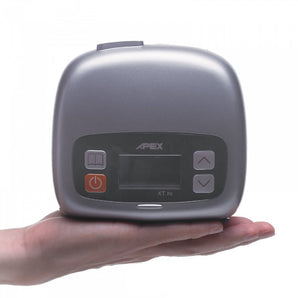
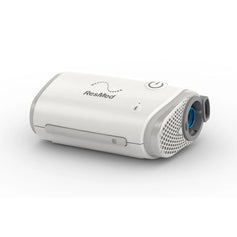
- Travel CPAP: Compact and lightweight devices like a travel CPAP ensure you can maintain your therapy on the go, often with battery pack options.
At RespShop, we make starting PAP therapy easy with our extensive machine selection and flexible CPAP rental program.
|
Key Insight: While mouthpieces help with mild snoring, CPAP therapy is the clinical gold standard. It provides immediate relief by acting as an 'air splint' to physically keep the airway open, addressing severe snoring and sleep apnea. |
Finding the Right CPAP Mask
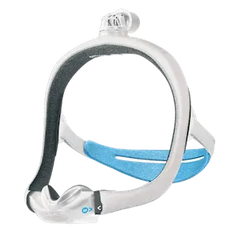
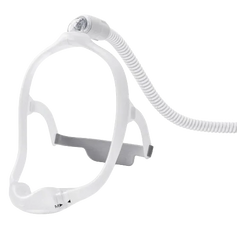
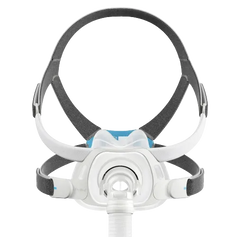
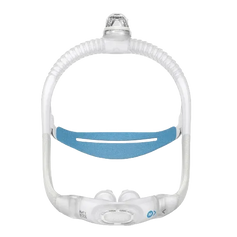
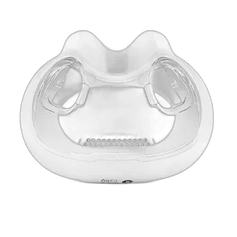
Finding the right ResMed CPAP mask is key to success. Options range from nasal pillow masks like the Wisp CPAP mask and AirTouch N20 to full-face models like the Dreamwear Full Face Mask. Our team can help you navigate these choices to ensure a perfect fit.
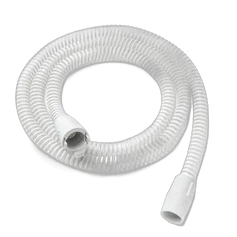
For PAP users, proper equipment maintenance is crucial. A clean system works better and reduces exposure to germs. RespShop offers convenient cleaning kits and ResMed CPAP supplies to make maintenance simple.

How Snoring and Sleep Apnea Are Diagnosed
Getting a formal diagnosis is the most critical step toward effective treatment. The process starts with a visit to your physician, who may refer you to a sleep specialist. The evaluation typically begins with a physical exam, and then a discussion about your symptoms and medical history.
To confirm a diagnosis, a sleep study is necessary. There are two main types of tests:
- In-Lab Polysomnography (PSG): This is the gold standard, conducted overnight at a sleep center. You'll be connected to sensors that monitor brain waves, heart rate, breathing patterns, and oxygen levels.
- Home Sleep Apnea Test (HSAT): A home test is a convenient and effective option for many patients. You'll use a portable monitoring device to collect data on your breathing and oxygen levels while sleeping in your bed.
To prepare for your appointment, bring a sleep diary and any notes from your bed partner about your snoring and breathing patterns. This information can be invaluable for your doctor.
|
Feature |
In-Lab Sleep Study (PSG) |
Home Sleep Apnea Test (HSAT) |
|---|---|---|
|
Location |
Overnight at a specialized sleep center |
In the comfort of your own home |
|
Data Collected |
Comprehensive (brain waves, breathing, heart rate, oxygen, muscle activity) |
Focused (breathing effort, airflow, oxygen levels, heart rate) |
|
Best For |
Diagnosing complex sleep disorders; ruling out other conditions |
Conveniently diagnosing uncomplicated, moderate-to-severe obstructive sleep apnea |
|
Comfort Level |
It can be difficult for some to sleep in an unfamiliar environment |
High, as you are sleeping in your own bed |
Long-Term Lifestyle Change Strategies
Successfully managing snoring is an ongoing process. Once you find a solution that works, incorporating these long-term strategies will ensure you maintain your results and overall sleep health for years to come.
- Sustainable Fitness: Aim for at least 150 minutes of moderate cardiovascular exercise per week. This aids in weight management and improves muscle tone in your airway.
- Smoking Cessation: If you smoke, quitting is one of the best things you can do. Smoke irritates throat tissues, worsening swelling and snoring.
- Consistent Positional Therapy: If you're a chronic back-sleeper, make positional therapy a permanent part of your routine. Consistency is key to retraining your body to sleep on its side.
- CPAP Equipment Maintenance: For PAP users, proper upkeep is crucial. A clean system works better and reduces exposure to germs. RespShop offers convenient cleaning kits and ResMed CPAP supplies to make maintenance simple.
- Sleep Hygiene: Maintain a consistent sleep schedule to strengthen your natural sleep-wake cycle.
Expert Help & Products From RespShop
Since 2009, RespShop has been a dedicated partner in your journey to find effective sleep solutions. Our team includes registered respiratory therapists who provide expert guidance. We carry a massive catalog of CPAP machines, masks, and supplies.
We stand behind our products and service with perks designed for you. We also offer compact travel options for those on the move. There is also the ResMed AirTouch F20 For Her Full Face CPAP Mask available, which is more comfortable and convenient for those with smaller faces.

Frequently Asked Questions
1. Can I stop snoring completely without CPAP?
For snoring caused by lifestyle factors like weight or sleep position, it's often possible to significantly reduce snoring through home remedies.
However, if your snoring is a symptom of moderate to severe sleep apnea, continuous positive airway pressure (CPAP) is the most effective way to stop snoring. CPAP therapy works by preventing short periods when your airway collapses during sleep.
2. Is snoring always a sign of obstructive sleep apnea?
No, not always. Mild, occasional snoring can be caused by temporary factors like a cold or chronic nasal congestion. However, loud snoring, especially when paired with other symptoms like daytime fatigue or gasping at night, is a strong indicator of OSA and should be evaluated to determine the severity.
3. Are over-the-counter anti-snoring mouth guards safe?
While "boil-and-bite" mouth guards are widely available, they are not as safe or effective as custom-fitted oral appliances from a dentist. A poorly fitting device can cause jaw pain or bite misalignment, so it's best to consult a professional.
For many people, simple lifestyle changes like avoiding drinking alcohol before bed can help reduce snoring naturally.
4. How long does it take to get used to CPAP?
The adjustment period varies, but most people adapt within a few days to a few weeks. Modern masks are lighter and more comfortable than ever. Working with an expert on proper mask fitting is key to a smooth transition. Once adapted, many users report achieving deep sleep for the first time in years.
5. What are the long-term risks if I ignore my snoring?
If you snore consistently and experience breathing pauses at night, you may face serious health consequences including health problems such as cardiovascular disease, high blood pressure, and stroke. These health problems result from chronic oxygen deprivation and repeated stress on your heart and circulatory system during sleep.
6. Will losing just 10 lbs really make a difference?
Absolutely. For many people, even a small amount of weight loss can reduce the fatty tissue around the neck, thereby directly widening the airway. Being overweight significantly increases the risk of snoring, and improving your BMI can lead to substantial improvements. Losing just 10 pounds can be enough to see a noticeable decrease in snoring frequency and volume.
7. How loud is 'too loud' when it comes to loud snoring?
Snoring loud enough to be heard through a closed door or consistently waking up a bed partner is often a sign of a more significant airway obstruction, warranting a discussion with a healthcare provider.
8. Can children use anti-snoring mouthpieces?
Generally, no. Most anti-snoring mouthpieces are designed for adults. If a child snores persistently, it is essential to consult a pediatrician to rule out issues like enlarged tonsils or other underlying sleep disorder concerns.
Address Obstructive Sleep Apnea Before It's Too Late

You now have a comprehensive roadmap to tackle snoring head-on. The path to silent, restorative sleep begins with understanding your unique triggers.
From there, you can implement immediate tips like adjusting your sleep position, build sustainable habits through weight management and exercise, and explore advanced solutions if symptoms persist.
Don't ignore the warning signs. Snoring signals that your airway is partially blocked during sleep, often caused by relaxed tissues in the soft palate and throat. While sometimes harmless, it's often a red flag for obstructive sleep apnea. Understanding your anatomy and risk factors helps you determine whether you're likely to snore and need intervention.
Pay attention to symptoms like daytime fatigue, gasping at night, and morning headaches. Untreated sleep apnea can lead to serious health consequences, including cardiovascular disease, high blood pressure, and stroke.
Remember, you don't have to navigate this journey alone. Whether you're just starting to explore options or you're ready for a clinically proven continuous positive airway pressure solution, our team of experts at RespShop is here to support you every step of the way.
Ready to breathe and sleep better? Speak with a sleep specialist today to start your journey to silent nights.
Disclaimer: The information provided in this article is for educational purposes only and is not intended as a substitute for professional medical advice, diagnosis, or treatment from a qualified healthcare provider. Always consult your physician or another qualified health professional with any questions regarding a medical condition.