







Picture pulling your mask off after a full night of Continuous Positive Airway Pressure (CPAP) therapy, pouring your first cup of coffee, and you are still yawning. If you are wondering why your sleep therapy has not magically cured your exhaustion, you are not alone.
The truth is, CPAP therapy is highly effective, but sleep apnea requires fine-tuning. When untreated sleep apnea increases in severity, it can lead to serious health complications, making proper CPAP therapy adjustment essential.
Your Apnea-Hypopnea Index (AHI), the number of breathing pauses you experience per hour, must be consistently controlled to see real benefits from treating sleep apnea. Continuous Positive Airway Pressure (CPAP) treatment was found to be effective at improving sleep outcomes in patients with moderate to severe obstructive sleep apnea (OSA), as determined by improvements in Epworth Sleepiness Scale scores. If you are feeling drained, do not give up.
In this guide, we explore 5 main reasons behind CPAP fatigue alongside quick, research-backed solutions, all vetted by reputable respiratory therapists. Understanding the nuances of CPAP equipment and treating sleep apnea effectively can make all the difference.
Reason 1: Mask Leaks and Poor Fit
Signs you are leaking air include waking up with skin irritation, dry eyes, or a parched mouth. You might also hear audible hissing or whistling noises at night. Finally, your machine's daily report may show your AHI trending upward, indicating reduced long-term success.
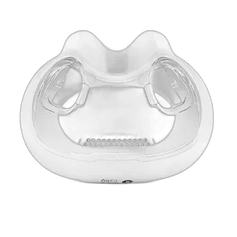
These air leaks can significantly compromise your CPAP therapy effectiveness. Common leak culprits include incorrect cushion size, poorly adjusted headgear, and worn-out silicone straps. Facial oils degrade mask cushions over time, reducing their grip.
Facial hair and side-sleeping can also break the seal, as pillows easily nudge a continuous positive airway pressure face mask out of place. Even minor skin irritation around the seal can indicate that your CPAP device isn't fitting properly.
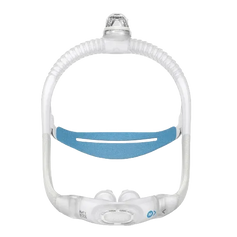
To fix it fast, re-measure your face and refit your CPAP mask with tips for preventing air leaks. Swap your old cushion for a fresh one, or consider transitioning to high-quality ResMed CPAP masks if your current setup causes redness or pressure sores.
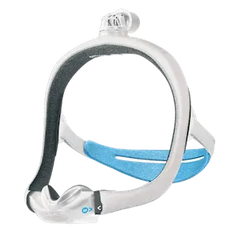
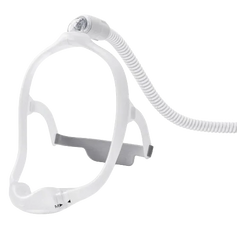
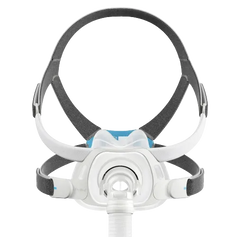
| ResMed | AirFit P10 Nasal Pillow CPAP Mask | ResMed | Mirage Quattro Full Face CPAP Mask | ResMed | AirFit F20 Full Face CPAP Mask |
 |
 |
 |
|
|
|
|
| Check Product | Check Product | Check Product |
You can also add soft mask liners or strap covers to improve comfort and stabilize the seal. Explore different types of CPAP masks, like nasal pillow masks, to ensure maximum comfort.
Many patients with obstructive sleep apnea find that nasal masks offer a less claustrophobic option, while others prefer a full face CPAP mask for better seal stability. Switching from nasal pillow masks to a traditional nasal mask can sometimes resolve the persistent skin irritation issues.
|
Warning/Important: Never underestimate the impact of an old mask. Facial oils naturally degrade silicone cushions over time, causing micro-leaks that silently sabotage your sleep therapy even if the mask looks perfectly fine. |
Reason 2: Wrong Continuous Positive Airway Pressure Settings
If your air pressure is too low, you may experience sleep apnea, airway obstruction, or loud snoring. You might also wake up gasping for air because the prescribed pressure is not strong enough to keep the airway open.
Conversely, if the pressure is too high, you might find it difficult to execute a proper exhalation against the force of the air. Aerophagia affects between 8% and 18% of CPAP users on average, often linked to pressurized air swallowing and factors like high-pressure settings.
For some patients with complex Obstructive Sleep Apnea (OSA) patterns, Bilevel Positive Airway Pressure (BiPAP) may be more appropriate than standard continuous positive airway pressure settings.
Action steps include pulling the compliance data from your CPAP device using your SD card or the mobile app. Share this comprehensive report with your sleep physician or healthcare provider for a titration review.
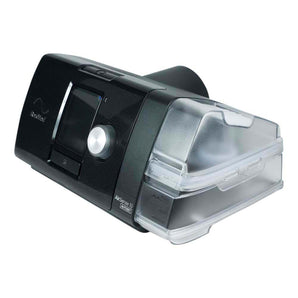
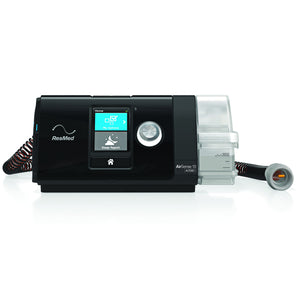
You can also explore an advanced AirSense 11 that automatically adjusts air pressure breath-by-breath for optimal inhalation support.
| Pressure Issue | Common Symptoms | Immediate Impact |
| Too Low | Snoring, choking, high AHI, morning headaches | Airway collapses; deep sleep is interrupted |
| Too High | Bloating, frequent mask leaks, dry mouth, exhalation fatigue | Therapy becomes intolerable; high risk of mask removal |
Reason 3: Residual Sleep Apnea
The clinical goal of positive airway pressure therapy is to maintain an AHI of fewer than 5 events per hour. CPAP users with AHI numbers below 5 consider their CPAP therapy effective.
Unfortunately, an AHI of 5-15 still means you are experiencing sleep-disordered breathing. This means you experience breathing interruptions during an eight-hour sleep, which drastically reduces your overall sleep quality.
To fix these interruptions, aim for at least 6 hours per night on the CPAP machine to achieve true restorative benefits and long-term use success. Sleeping on your back often worsens gravity's effect on the airway.
Try using a wedge pillow to train yourself to maintain a side-sleeping position instead. Remember that untreated sleep apnea, even at lower severity levels, continues to fragment your sleep architecture.
Continuously monitor your mask fit and machine pressure, as both play a role in undertreated events that disturb your bed partner. Keeping up with fresh ResMed CPAP supplies ensures your equipment is functioning at its absolute best without negative side effects.
Reason 4: Blocked Nasal Congestion and Dryness
Nothing disrupts sleep apnea therapy quite like a runny nose or stuffed-up nasal cavity. Seasonal allergies, asthma, naturally low bedroom humidity, and dry winter heating can cause your nasopharynx to swell.
This condition makes it difficult to draw proper breaths against the CPAP machine's pressure, leading to restless sleep and daytime sleepiness.
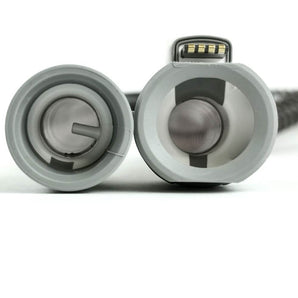
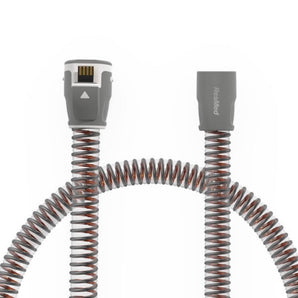
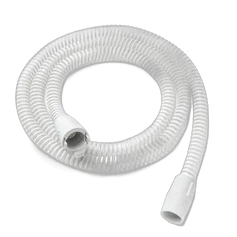
To combat dryness and congestion, consider upgrading to heated humidifiers and a heated tubing bundle. This setup delivers warm, continuous flow moisture directly to your nostrils. Pair this humidification mode with a nightly saline rinse for maximum relief.
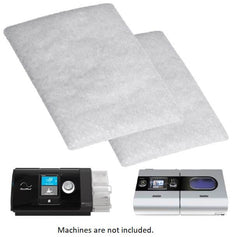
Ensure you are strictly following a weekly air filter change schedule to keep allergens out of your mask. If you use a compact mask option like the P30i mask with nasal prongs, maintaining clear airways is especially critical for effective airflow.
Reason 5: Weight Changes and Lifestyle
Obstructive sleep apnea is highly sensitive to physical and lifestyle changes in adults. Weight gain, specifically fat deposits around the neck, physically narrows the airway and exacerbates sleep apnea.
Even an unnoticeable gain of 10 pounds can require an increase in your CPAP machine's pressure settings to prevent lung obstruction.
The inverse is also true for weight loss and long-term benefits. Global research highlights that a 20% reduction in body weight can cut your AHI by up to 57%, which significantly improves how rested you feel.
In fact, CPAP therapy was associated with a significantly lower 24-hour systolic and diastolic blood pressure, lowering the risk of heart disease and stroke.
Beyond weight management, scrutinize your daily habits. Consuming alcohol within three hours of bedtime relaxes throat muscles and exacerbates these chronic conditions.
Excessive daytime caffeine and highly irregular sleep schedules can also leave you feeling drained despite perfect machine compliance.
When to Call CPAP Professionals
Several warning signs indicate you need professional help with your CPAP treatment. Watch out for severe daytime fatigue that persists past 90 days of consistent therapy.
Unexplained spikes in your AHI data or the onset of new symptoms like chest pain should also be evaluated immediately.
You do not have to navigate this journey in the dark. Our team features registered respiratory therapists and certified polysomnographic technologists available for free consultations.
Plus, shopping with RespShop means enjoying same-day order processing and expert advice on the perfect type of mask, various CPAP mask options, and CPAP mask styles to suit your individual sleep apnea needs.
Fix Your Lingering CPAP Exhaustion Today
If you are still waking up tired while using your CPAP machine, remember that minor adjustments often yield massive results. Start by addressing the most common culprits. Ensure your mask cushion is fresh, the headgear fits securely, and the equipment is sized correctly.
Next, review your data to ensure your pressure settings match your current needs. Stop mouth breathing by utilizing a chin strap or full face mask if air is escaping. The path to restorative sleep and improved cognitive function is a process of fine-tuning.
Most issues resolve with minor tweaks, so please do not give up on your health. If you need expert advice on selecting the right equipment from top brands like Philips Respironics or Fisher & Paykel, we are here for you. Get in touch with us and take the next step toward a truly restful night.