








If you're struggling with snoring or have been diagnosed with mild to moderate obstructive sleep apnea (OSA, a condition where breathing repeatedly stops and starts during sleep due to airway blockage), finding comfortable and practical sleep solutions can be challenging.
While positive airway pressure (PAP) therapy, which uses pressurized air to keep airways open, remains highly effective for obstructive sleep apnea, some patients benefit from exploring complementary or alternative options depending on their diagnosis and lifestyle needs.
Oral appliance therapy offers a proven path to quieter nights and more energized days for those with mild to moderate sleep apnea symptoms, portability concerns, or specific comfort preferences.
This comprehensive guide is designed to demystify sleep apnea mouth guards. We'll break down how they work, what key features to look for, and how to choose the perfect device for your specific needs. Our Registered Respiratory Therapists (RTs) team is here to help you make a confident, informed decision.
Types of Sleep Apnea Mouthpieces
Sleep apnea mouth guards or mouthpieces, also known as oral appliances, are worn in the mouth during sleep to prevent the airway from collapsing. They're a leading alternative or complementary therapy for treating snoring and mild to moderate OSA.
Oral appliances are an effective treatment option that works by repositioning parts of your mouth to keep your airway open and maintain an open airway throughout the night.
There are two primary types of these dental appliances:
- Mandibular Advancement Devices (MADs): These anti-snoring mouthguards are the most common type. They resemble a sports mouthguard and work by gently shifting your lower jaw forward. This minor adjustment tightens the muscles and soft tissues in the upper airway, preventing obstruction while you sleep. Mandibular advancement devices typically hold the upper and lower teeth in a forward position to keep the throat open.
- Tongue Retaining Devices (TRDs): Instead of moving the jaw, a TRD uses gentle suction to hold the tongue in a forward position, preventing it from falling back and blocking the throat. This is often a great option for individuals who cannot use a MAD due to dental issues.
Who Typically Benefits?
Sleep apnea mouth guards are not a one-size-fits-all solution, but they are highly effective for a specific group of users.
You might be an ideal candidate if you:
- Suffer from primary snoring (snoring not associated with OSA).
- Have been diagnosed with mild to moderate obstructive sleep apnea.
- Experience positional apnea (apnea that occurs mainly when sleeping on your back).
- Are looking for a portable, convenient backup or travel alternative to your primary therapy.
However, consulting a physician or sleep specialist before starting therapy is crucial. Individuals with severe OSA, central sleep apnea, significant TMJ (temporomandibular joint) disorders, or complex dental issues may not be suitable candidates for this treatment.
|
Key Insight: The fundamental goal of any sleep apnea mouth guard is simple: gently reposition your jaw or tongue to prevent airway collapse, ensuring you can breathe freely and quietly all night. |
Key Features to Look For
Navigating the options can seem daunting, but focusing on a few key features will help you identify a high-quality, effective device. Here’s a checklist of what our RTs recommend you consider before making a purchase.
|
Feature |
Why It Matters |
|---|---|
|
FDA Cleared & Rx Needs |
Ensures the device has been reviewed for safety and effectiveness. Look for FDA-approved (Food and Drug Administration) options. Some advanced devices require a prescription, while many over-the-counter options are cleared for snoring. |
|
Custom Fitting Style |
"Boil and bite design" offers a quick custom mold at home. Micro-adjust screws allow for precise, incremental adjustments (e.g., in 1mm increments) to find your perfect comfort and efficacy level. Custom-fitted devices provide the best fit for long-term use. |
|
Airflow Vents |
Essential for mouth-breathers. Vents allow you to breathe comfortably through your mouth while the device is in place, preventing a claustrophobic feeling. |
|
Comfort & Materials |
Look for soft, medical-grade, BPA-free (Bisphenol A, a chemical compound) materials to avoid irritation. A well-made device should last between 6 and 24 months with proper care. |
|
Cost & Payment Options |
Prices vary based on features. At RespShop, we offer financing options to make treatment more accessible. |
How to Choose the Right Anti-Snoring Mouthpiece
Making the final decision involves considering your diagnosis, personal preferences, and budget. Follow this simple decision-making process to narrow down your choice:
- Consult Your Physician: This is the most critical first step. A sleep study will determine the severity of your OSA and identify sleep apnea symptoms, such as loud snoring or daytime sleepiness. Your doctor can recommend oral therapy for mild to moderate cases and provide a prescription if needed.
- Consider Your Dental Health: Do you have healthy teeth and gums? A mandibular advancement device is likely a great option. If you wear dentures, have significant dental work, or experience jaw pain (bruxism/TMJ), a TRD is a better choice.
- Assess Your Breathing Habits: Are you a nose-breather or a mouth-breather? If you primarily breathe through your mouth, ensure your chosen device has a generous airflow port to support better sleep quality.
If you have been diagnosed with severe OSA, your prescribed therapy plan should be your primary treatment.
An oral appliance may be considered a secondary or travel CPAP (Continuous Positive Airway Pressure) option, but please discuss this with your doctor. Understanding how anti-snoring mouthpieces work can help set realistic expectations for your therapy.
|
Important: CPAP therapy is the gold standard for those who have severe sleep apnea symptoms. Always consult your doctor before using a sleep apnea mouth guard as a secondary or travel-only option to ensure safety. |

Oral Appliance Therapy with Oral CPAP Mask
There's an innovative middle ground for patients already using positive airway pressure therapy but seeking greater comfort and freedom of movement: the Fisher & Paykel Oracle 452 Oral CPAP Mask.
Unlike traditional nasal or full-face masks used in traditional CPAP therapy, the Oracle 452 is a compact oral interface that seals around the mouth, delivering therapy air directly through a mouthpiece-style cushion. This device works with continuous positive airway pressure systems to provide pressurized air that keeps your airway open.
This design offers several unique benefits:
- Minimal facial contact: No straps across the nose or forehead, reducing red marks and skin irritation.
- Unobstructed field of vision: Perfect for reading or watching TV before bed.
- Ideal for nasal congestion or obstruction: If you struggle with a deviated septum, allergies, or chronic nasal blockage, this mask lets you maintain effective therapy through your mouth.
- Compatible with your existing therapy: Works seamlessly with most standard PAP machines.
This option is excellent if you benefit from continuous airway support but want a less intrusive, more comfortable interface. Our team can help you determine if the Oracle 452 fits your therapy needs and lifestyle, especially when comparing it to other treatments available.
Benefits & Long-Term Outcomes
Committing to CPAP therapy can profoundly impact your health and quality of life. The benefits go far beyond just a quieter bedroom. Beyond snoring, users often report significant improvements in daytime alertness, concentration, and overall mood as they achieve deeper, more restorative sleep.
This consistent use is key to achieving long-term health benefits, such as reduced risk of cardiovascular issues associated with untreated OSA. To maintain these benefits, knowing when to re-fit or replace your anti-snoring mouthpiece, typically every 12-24 months, is essential to ensure it remains practical and hygienic.
|
Key Insight: Oral appliances' biggest advantage is high user compliance. Their comfort and simplicity lead to consistent use, the most critical factor for achieving long-term health benefits and reducing snoring. |
Using & Maintaining Your Anti-Snoring Mouthpiece
Proper fitting and care are essential for getting the most out of your device and ensuring its longevity. Follow these steps for optimal performance and hygiene.
Boil-and-Bite Fitting
- Prepare two bowls: hot (not boiling) water and cold water.
- Using the handle, submerge the sleep apnea mouth guard in the hot water for the time specified in the instructions (usually 30-60 seconds).
- Remove the device and let it cool to avoid burning your mouth.
- Insert it into your mouth, biting down firmly to create a deep impression of your teeth. Use your fingers to press the material against your gums.
- Remove the device and immediately submerge it in the cold water to set the mold permanently.
Night-to-Night Adjustment Tips
For adjustable MADs, start slow. Don't set it to the maximum advancement on the first night. Follow a gradual schedule to allow your jaw to adapt. Starting with minimal jaw advancement and increasing it over several nights is key to finding that sweet spot where snoring stops without causing soreness or discomfort.
|
Timeframe |
Adjustment |
|---|---|
|
Nights 1-3 |
Start at the most minimal setting (e.g., 1-2mm). |
|
Nights 4-7 |
If snoring persists, advance by 1mm. |
|
Ongoing |
Continue advancing by 1mm every few nights until snoring is minimized without causing soreness. |
Cleaning & Storage
Clean your sleep apnea mouth guard every morning. Use a soft-bristled toothbrush and mild soap or a specialized cleaning tablet. Avoid harsh chemicals or toothpaste, which can degrade the material. For a deeper clean, consider an ultrasonic cleaner. Always store your dry mouthpiece in its ventilated case to prevent bacterial growth.
Replacement Timeline
Most boil-and-bite sleep apnea mouth guards last between 6 and 24 months. Replace your device if you notice signs of significant wear and tear, lose its tight fit, or become discolored and difficult to clean.

Frequently Asked Questions
1. Do I need a prescription for a sleep apnea mouth guard?
It depends on the device. Many anti-snoring devices are available over the counter. More advanced, custom-fitted mouth guards designed for treating diagnosed OSA require a prescription from your doctor.
2. MAD vs. TRD: Which one is right for me?
If you have healthy teeth and no jaw issues, a Mandibular Advancement Device (MAD) is the most common and often most effective choice. Mandibular advancement devices gently move your lower jaw forward to maintain proper jaw positioning and open the airway.
If you wear dentures, have TMJ problems leading to jaw pain, have loose teeth, dental implants, or can't tolerate pressure on your jaw, a Tongue Retaining Device (TRD) is an excellent alternative. Tongue retaining devices hold the tongue forward without applying pressure to the teeth or jaw.
3. Can I travel with a mouthpiece instead of my CPAP?
For many users with mild OSA, a mouthpiece may be an option for occasional travel use after consulting with your sleep physician. However, we highly recommend continuing CPAP therapy even while traveling.
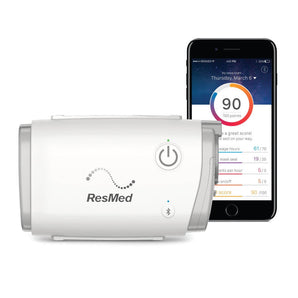
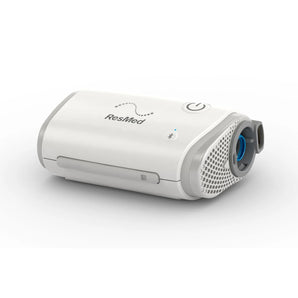
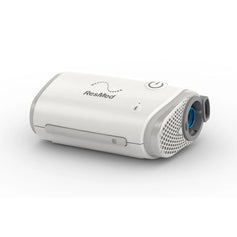
At RespShop, we offer portable travel CPAP machines like the ResMed AirMini and Transcend Micro. These devices are small, lightweight, and TSA-approved (Transportation Security Administration), giving you the full benefits of effective therapy without compromising convenience. These anti-snoring devices are designed specifically for travelers and provide the same clinically proven results as full-size machines.
Our team can help you choose the best travel CPAP solution to ensure that your health will never be compromised, no matter where life takes you.
4. How long does a mouthpiece last?
A mouthpiece's lifespan typically ranges from 6 to 24 months, depending on the quality of the materials and how well you care for it. Signs that it's time to replace include visible damage, loss of a snug fit, or difficulty cleaning.
Get Expert Guidance and the Right Solution Today
Choosing the right sleep apnea mouth guard or determining whether an innovative hybrid solution like the Fisher & Paykel Oracle 452 is best for you can feel overwhelming.
That's why we're here. Whether seeking a portable travel option, a backup device, or a more comfortable interface for your nightly therapy, we have the products and expertise to help you improve your sleep quality.
Our team of Registered Respiratory Therapists is ready to answer your questions, review your prescription, and help you find a comfortable, effective solution tailored to your lifestyle and therapy needs. Whether you need guidance on custom-fitted mouth guards for proper jaw positioning or prefer CPAP therapy to treat snoring and reduce daytime sleepiness, we're here to help.
Ready to take the next step toward better sleep? Don't let snoring or discomfort stand between you and the restful sleep you deserve. Contact us today and start your journey to better sleep!