







Sanitization and Maintenance: Best Practices For Home Medical Equipment
If you use a CPAP machine, nebulizer, or any home medical device, keeping it clean isn’t just about comfort. It’s about safety. Even small lapses in maintenance can increase the risk of infections, reduce device effectiveness, or cause unexpected malfunctions.
Proper sanitization and routine upkeep ensure your equipment works as intended while protecting your health. This guide walks you through practical cleaning techniques, safe disinfectant use, and essential maintenance routines designed to keep your CPAP devices reliable.
Infection Risk In The Home Setting
Medical devices constitute a significant source of patient infections in the United States. Using safe cleaning methods and approved products, along with following regulatory guidelines, helps keep equipment hygienic and reduces infection risk.
Balancing Cleaning and Safety
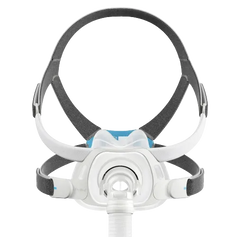
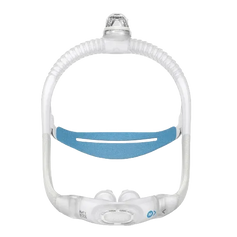
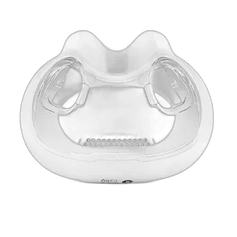
Using harsh cleaners like bleach can damage your CPAP mask cushion; stick to mild, manufacturer-approved soaps.
Disinfect your equipment regularly using CPAP-safe solutions, such as mild vinegar solutions or hydrogen-peroxide-based sprays, to reduce microbial growth.
Regulatory And Safety Guidelines
Official guidance is essential for making safe and effective disinfection choices. Together, these signals help you make safe and effective decisions for home medical equipment.
The Centers for Disease Control and Prevention (CDC) provides detailed disinfection guidelines that specify necessary contact times for chemicals to achieve microbial kill, ensuring disinfectants are used effectively and safely.
Cleaning Versus Disinfection Versus Sterilization
Keeping home medical equipment safe starts with the right level of decontamination. The table below contrasts cleaning, disinfection, and sterilization for standard home device care.
 |
Cleaning focused on removing visible soil, organic matter, and debris from medical equipment surfaces. Effective cleaning may involve manual scrubbing with detergents or enzymatic solutions, rinsing, and drying, tailored to the type of device and level of contamination. |
 |
Disinfection follows cleaning and aims to reduce the number of harmful microorganisms to a level that is not harmful to health. This level of sanitization is typically sufficient for most non-critical and semi-critical home-use medical devices that come into contact with intact skin or mucous membranes. |
 |
Sterilization is the highest level of microbial kill, destroying all microbial life forms, including spores. Due to its complexity and requirements, it is generally reserved for critical instruments that enter sterile body tissues or the vascular system, primarily in clinical settings. |
Choosing the right disinfectant is essential for maintaining safe medical equipment. Follow these tips to choose disinfectants safely:
- Select disinfectant products based on proven efficacy and safety considerations.
- Always check for an EPA registration number, which verifies that the product has been tested and approved.
- Ensure the disinfectant is appropriate for the materials of your medical equipment.
- Check manufacturers' guidelines to prevent damage to sensitive devices.
Effect of Water Quality on CPAP Humidifiers
Using distilled water in devices like CPAP humidifiers is crucial to prevent mineral buildup and microbial contamination.
Tap water contains minerals that can leave deposits inside the device, creating slimy layers where bacteria and fungi can grow. These layers are hard to clean and can make it easier for germs to get into your airways and affect the device’s performance.
According to the National Library of Medicine, bacteria from contaminated heated humidifiers can become airborne, potentially causing respiratory infections.
"Persons who are at a higher risk for acquiring high-consequence opportunistic infections include the elderly, infants and young children, and persons who have weakened immune systems and other concurrent conditions."
To avoid risks and maintain proper hygiene, always use distilled water, not tap water, to keep your CPAP device clean and functioning properly.
Respiratory Devices (CPAP/BiPAP, Nebulizers, Oxygen Concentrators) Risk Tiers

This category carries the highest risk, as devices like these create a direct path to the lungs. Moisture accumulation from humidifiers and exhaled air promotes the formation of a slimy layer, which can harbor multiple pathogenic species, including Staphylococcus aureus, Pseudomonas, and Aspergillus species.
Key risks to be aware of include:
- Increased risk of respiratory infections due to pathogen buildup
- Potential for allergic reactions from mold or biofilm
- Cross-contamination if devices are shared or improperly cleaned
- Reduced device efficiency if filters, seals, or airflow pathways are clogged
- Exposure to opportunistic pathogens in immunocompromised individuals
Maintenance Fundamentals for Performance & Safety
A sustainable maintenance plan ensures your equipment remains reliable, clean, and safe. This involves regular inspections for wear, timely replacement of consumable parts, and proper storage to prevent damage and contamination.
Routine Inspections
Regular visual and tactile checks can help identify signs of deterioration before they lead to failure. Look for yellowing, microcracks, or stiffness in silicone parts.
Filters, Gaskets, and Consumables
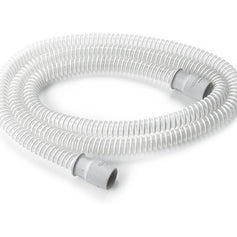
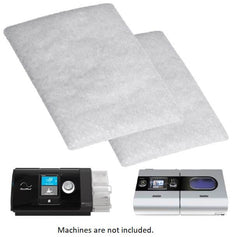
Consumable parts like filters and gaskets are vital for device function and user safety, but clogged filters can strain a device's motor. In contrast, worn gaskets on a mask can cause leaks and compromise therapy. Following the recommended replacement schedule prevents costly repairs and ensures therapy remains effective.
Storage, Transport, and Environmental Controls
Proper storage is essential for protecting your equipment. Keep devices in a clean, dry location away from direct sunlight, pets, and dust.
Documentation and Traceability
A simple maintenance log helps you track cleaning dates, part changes, and performance issues. The template below illustrates a simple home maintenance log and the key actions to record.

This documentation is invaluable for staying on schedule and providing detailed information to clinicians or suppliers if troubleshooting is needed.
Building a Home Hygiene Program Around Your Devices
Keep your hygiene routine simple and scheduled. Set a reminder every Sunday to deep clean your device and check for moisture or damage. Store all cleaning supplies in one small container so they’re easy to access.
Risk Prioritization & Zoning
Choose one counter as your cleaning station. Use two labeled trays: “Dirty” for used parts and “Clean” for fully dried items. Let all parts air dry completely before storing.
People, Pets, & Shared Devices
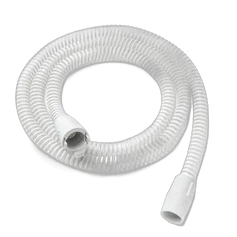
Label personal components with each user’s name and never share masks or tubing. Store equipment in sealed containers to protect it from pet hair and dander, and always wash your hands thoroughly before handling devices.
Integrating Public Health Guidance With the Manufacturer’s Manual
Check your device manual before using any disinfectant. Only use products approved by the manufacturer and listed on the EPA’s List N. If instructions are unclear, contact the manufacturer before using a new product.
Case Study: How Proper Maintenance Keeps Medical Equipment Safe
This study in the National Library of Medicine shows that skipping routine checks and maintenance can lead to hidden dangers and medical accidents.
Key Findings and Practices:
- Routine Maintenance: Scheduled inspections and preventive upkeep to identify and repair faults early and extend the equipment's service life.
- Quality Control System: Use a structured system to monitor equipment from purchase through daily use and maintenance.
- Training and Responsibility: Make sure operators and maintenance staff are trained and know exactly what’s expected.
- Risk Management: Assess risks based on device type, usage frequency, and potential harm to users.
- Use of PDCA Cycle: Apply the Plan-Do-Check-Act cycle to address problems quickly and improve reliability.
- Challenges Identified: The study notes common challenges, such as a lack of trained staff, poor testing of new equipment, and irregular inspections, affecting safety and performance.
- Maintenance Effectiveness: After using the quality control system, devices like defibrillators, monitors, and anesthesia machines became more reliable and safe.
Following simple cleaning and maintenance steps can also improve the safety and performance of home medical devices, lowering the risk of breakdowns or infections.
This case study highlights how organized maintenance and ongoing staff training are essential for keeping medical equipment safe and effective.
Even though the study looked at hospital equipment, the same ideas, regular safety checks, proper training, and careful quality control can be applied at home to protect CPAP users and ensure devices work properly.
Synthesis & Next Steps
Maintaining and sanitizing home medical equipment is essential for device performance and personal safety. Regularly inspect high-risk components and replace worn parts as needed. A weekly cleaning schedule helps protect your health while keeping devices functioning properly.
For personalized guidance, review your equipment's cleaning guide or contact your supplier directly. They can answer specific questions about your device and recommend the best cleaning products for it.
References
CDC's Core Infection Prevention and Control Practices for Safe Healthcare Delivery in All Settings. (2024, April 12). CDC.
https://www.cdc.gov/infection-control/hcp/core-practices/index.html
Garvey, M. (2023, December 22). Medical Device-Associated Healthcare Infections: Sterilization and the Potential of Novel Biological Approaches to Ensure Patient Safety. PubMed Central.
https://pmc.ncbi.nlm.nih.gov/articles/PMC10778788/
guide, s. (2025, April 9). About List N: Disinfectants for Coronavirus (COVID-19) | US EPA. Environmental Protection Agency.
https://www.epa.gov/pesticide-registration/list-n-disinfectants-coronavirus-covid-19
Guideline for Disinfection and Sterilization in Healthcare Facilities, 2008. (n.d.). CDC.
https://www.cdc.gov/infection-control/media/pdfs/guideline-disinfection-h.pdf
HAIs: Reports and Data | HAIs. (n.d.). CDC.
https://www.cdc.gov/healthcare-associated-infections/php/data/index.html
Medical Device Safety Communications. (n.d.). FDA.
https://www.fda.gov/medical-devices/medical-device-safety/safety-communications
(Mis)perception and Use of Unsterile Water in Home Medical Devices, PN View 360+ Survey, United States. (n.d.). National Library of Medicine.
https://pmc.ncbi.nlm.nih.gov/articles/PMC9881759/
Multiorganizational Guidance Offers Updated Recommendations to Prevent Infections through Effective Sterilization and High-Level Disinfection of Reusable Medical Devices. (n.d.). Society for Healthcare Epidemiology of America (SHEA).
https://shea-online.org/multiorganizational-guidance-offers-updated-recommendations-to-prevent-infections-through-effective-sterilization-and-high-level-disinfection-of-reusable-medical-devices/
Negative Pressure Wound Therapy. (n.d.). Cleveland Clinic.
https://my.clevelandclinic.org/health/treatments/17313-negative-pressure-wound-therapy
A Rational Approach to Disinfection and Sterilization | Infection Control. (2023, November 28). CDC.
https://www.cdc.gov/infection-control/hcp/disinfection-sterilization/rational-approach.html
Regulatory Framework for Disinfectants and Sterilants | Infection Control. (2023, November 28). CDC.
https://www.cdc.gov/infection-control/hcp/disinfection-sterilization/regulatory-framework-disinfectants-sterilants.html
Ye, J. (2022, October 13). Maintenance and Quality Control of Medical Equipment Based on Information Fusion Technology. PubMed Central.
https://pmc.ncbi.nlm.nih.gov/articles/PMC9584678/